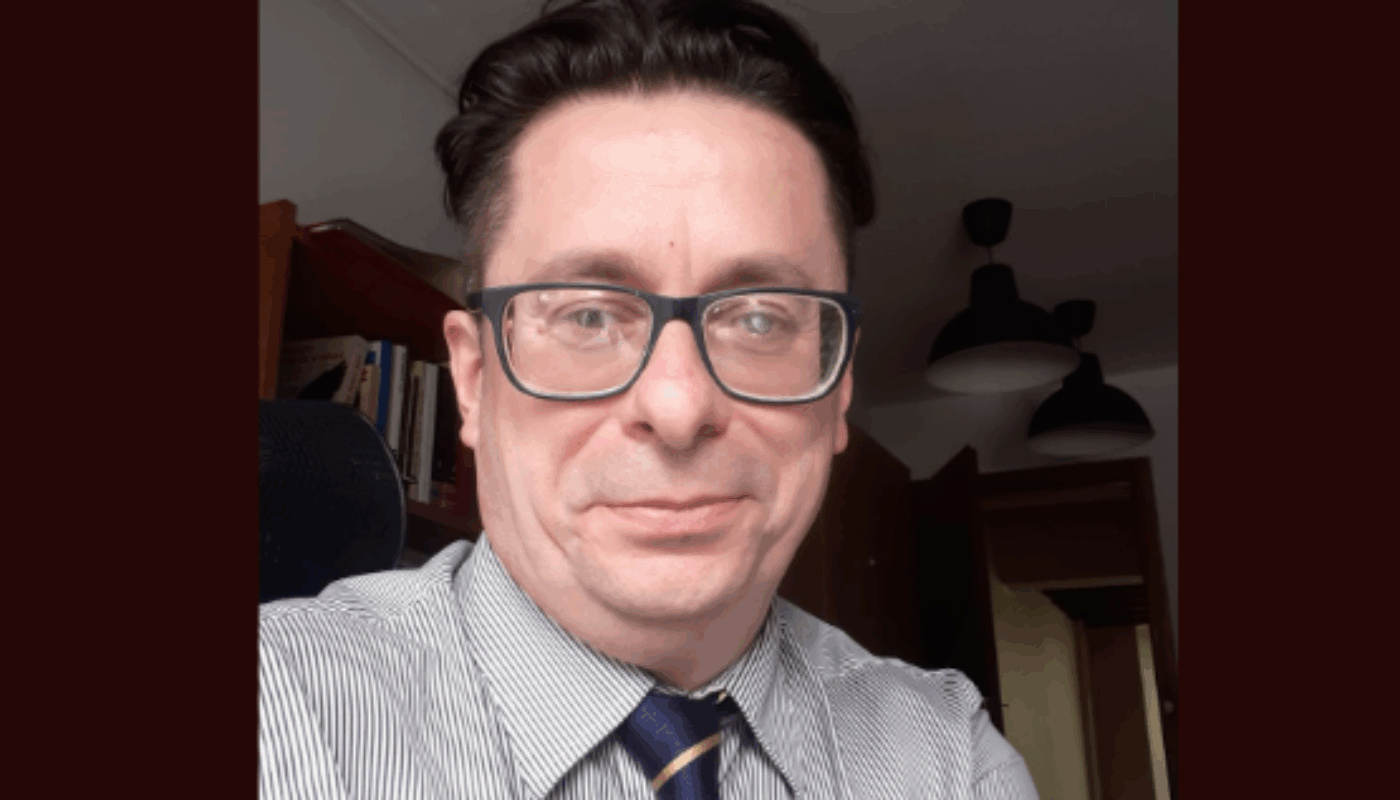
GeoTalk: meet Robert Piotrowski, geomythologist and folklorist
What is ‘geofolklore’?
Geofolklore is a distinct category of folklore that links cultural expressions with the abiotic landscape and geological features, such as erratic boulders. It is closely connected to its geographical and environmental context, encompassing elements of tradition that arise from human interaction with the abiotic environment and express local knowledge, beliefs, and values.
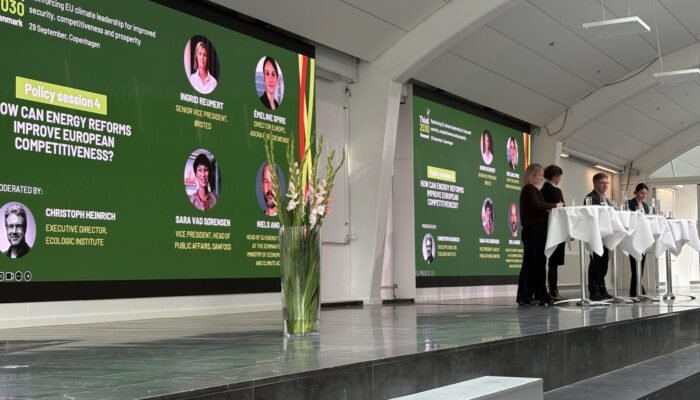
Rethinking Europe’s historical climate leadership in a ‘Time of Transition’
Tensions have developed on the assumption that regulation is bad for business; however, this opinion is far from monolithic: strong, science-based regulation establishes a scope within which businesses can act to minimise risk and provides direction in the face of uncertain futures.
On LGBTQIA+ Challenges and Allyship in STEM
In celebration of our LGBTQIA+ community, this blog highlights some of the activities we undertook throughout the last year. Below, you can find answers to such questions as:
What are the current challenges encountered by LGBTQIA+ geoscientists?
How does EGU support its queer members?
How can you be an ally to your LGBTQIA+ colleagues?
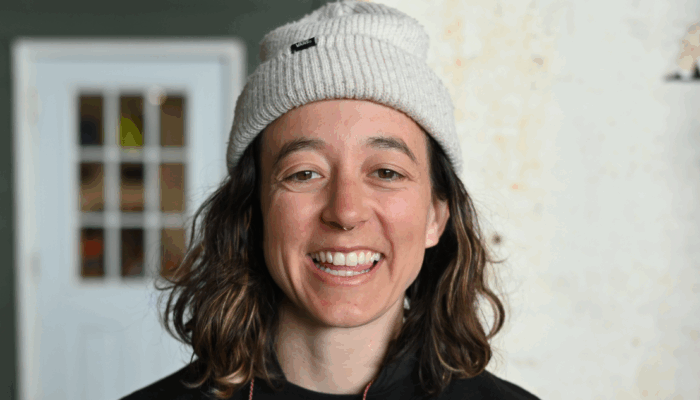
GeoTalk: Meet glacial hauntologist, Elizabeth Case
How does hauntology relate to glaciers, and to ongoing glacial decline?
The way people and societies have related to glaciers[3] has changed over time. Echoes of those cultural relationships persist, affecting personal, scientific, and political decisions.
GeoTalk: meet Thanushika Gunatilake, researcher of earthquake impacts on geothermal energy
How do earthquakes and volcanic activity affect energy systems, such as geothermal exploration or carbon dioxide sequestration?
For me, the connection is quite natural: the physics is always the same. Whether we talk about an active volcano, a subduction zone, or an engineered geothermal system, it all comes down to pressure changes in the subsurface.
Letting in instead of coming out? Reflections on shifting from disclosure to self-compassion
Growing up queer means forging yourself into an observer: a watcher of others, yourself, and yourself in the minds of others; a panopticon installed by cistheteronormativity, ceaselessly on the lookout for undesirable thoughts and behaviors, punishing yourself for producing them whilst surveilling the (re)action of others.
GeoTalk: meet Lorne Farovitch, researcher of climate impacts on deaf communities!
The challenges that deaf people face can be exacerbated when they belong to more than one marginalised community. How does this manifest?
Intersectionality means many deaf people also experience marginalisation based on ethnicity, sexuality, gender or other identities. For example, 91% of deaf Ecuadorians are dissatisfied with their access to healthcare.
Pride Month: support your LGBTQ+ colleagues in science
The notion that STEM fields are apolitical ignores how scientific investigations are influenced by people’s own ideas and bias. The result is a culture uncritically considered as “normal”. Those who do not conform suffer […]
How to make a personal change this year: part 2 – growth
It is the new year and new resolutions draw you onward. Yet motivation is fickle, and too often good intentions wither before bearing fruit. You may have drawn a plan to keep you in check, but how do you build on this to achieve sustainable growth?
How to make a personal change this year: part 1 – the approach
It’s a common sight: gyms flourish with new members in January, only for their numbers to thin as the months progress.
This fatigue is common not just for exercise, but riddles all resolutions, be it related to learning a new skill, building a business, or starting a new hobby. How do you keep going?
Cultural heritage: an overlooked yet critical aspect of climate change
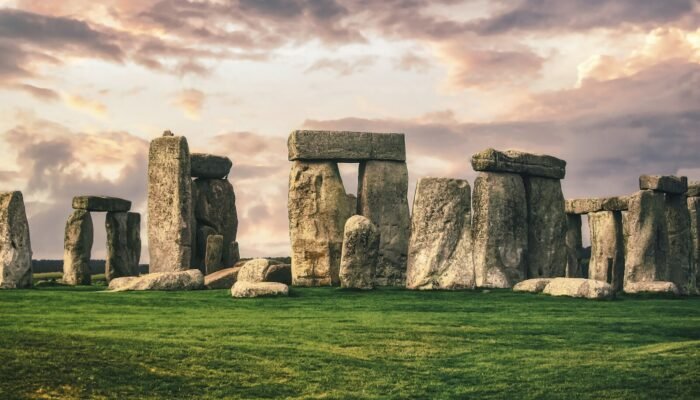
In June 2024, climate activists sprayed Stonehenge orange, demanding urgent action from the British government to phase out fossil fuel. This divisive act evoked a destructive yet often overlooked impact of climate change: the damage and destruction of cultural heritage.
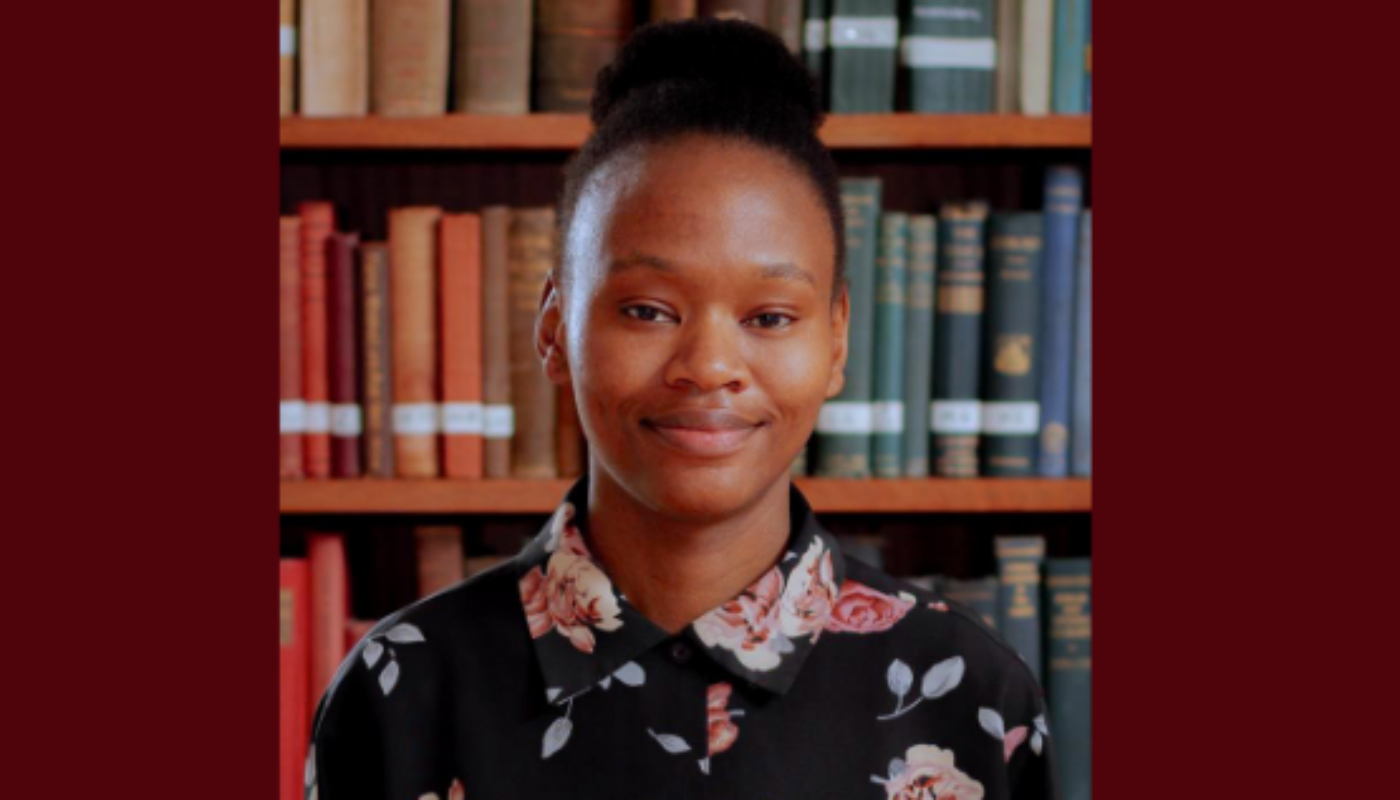
GeoLog GeoTalk: meet Sinelethu Hashibi, a geologist translating geoscience for isiXhosa-speaking communities!
Could you tell our readers about the geology communication project you’re involved in: Chosi Ndabazomhlaba?
Chosi Ndabazomhlaba was born from the need to include groups of people that have been previously excluded from the scientific community as a result of colonialism and apartheid. South Africa is a beautiful country, with a number of geological wonders such as the Cape Fold Belts and the Blyde River Canyon.
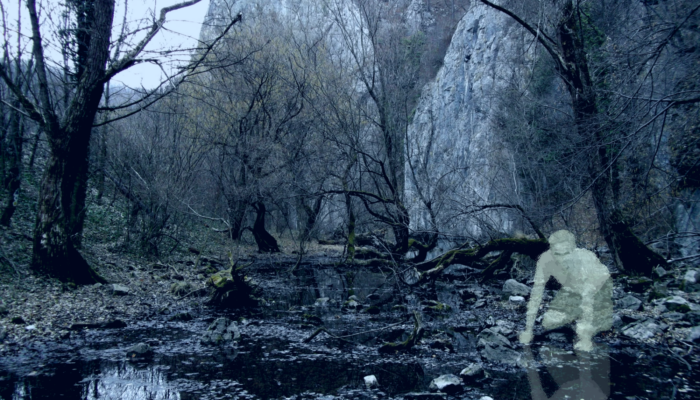
Swamps may be considered spooky, but is there more than meets the eye?
Swamps are spooky. This is the prevailing notion from the depiction of wetlands – the saturated lands of swamps, bogs, and fens – in the media. From the folktales of Will-o’-the-Wisps guiding travellers astray to the many, many swamp monsters of Scooby Doo, the sign is clear: a scrawled “stay away from here” thrust deep in the mud, writ by centuries of storytellers. As a reputation it’s not great.
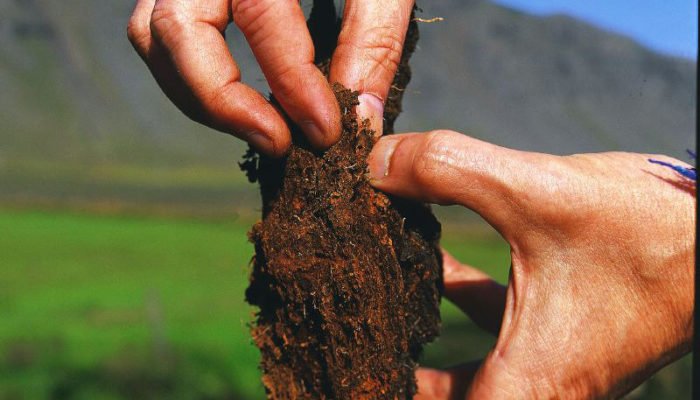
When nature isn’t “natural”: Reflections on World Wetlands Day
In 1821, peat cutters discovered a body similar to a mummy, pinned down by two wooden stakes deep in the mud. The body’s face still held red hair and a beard, their teeth were well preserved, and a hoop of willow was wrapped around their throat. The peat cutters were looking at a progenitor to their labour; a heritage of knowledge and practice which reached out to them from the past.
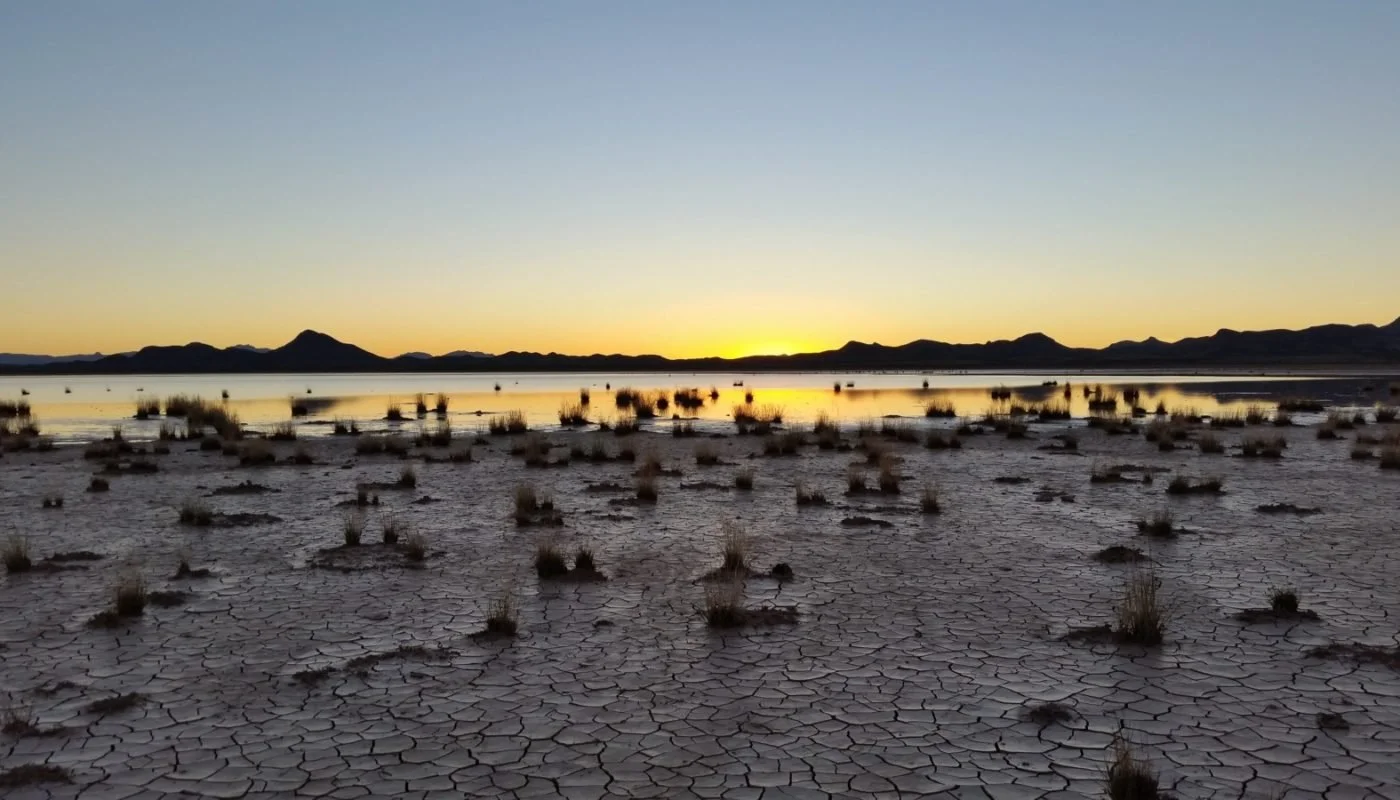
Why do we keep dismissing drought?
D4ought remains a hazard under-served by the imagination, its risk devalued compared to other hazards like flooding and storms. This lesser appreciation can have a deadly consequence: the public may be underprepared or unaware of how they should act under drought conditions, whilst policy- and decision-makers de-prioritize its position in risk mitigation strategies.
Given the threat it poses, why does drought hold such a loose grip on how we perceive its risk?